ACT Math study guide · Chapter 59
Additional Practice Test 2
This form deliberately disrupts the ACT's usual overall increase in difficulty so recovery can be practiced when an early item feels expensive. It remains 45 questions in 50 minutes and keeps broad content coverage, but it should be treated as a stress drill instead of a simulation of official difficulty ordering. Geometry, trigonometry, and visual interpretation are intentionally more visible.
Time: 50 minutes. Questions: 45. Calculator permitted throughout.
Work in order unless a question becomes locally expensive. Choose the best answer and move on when the route is not developing. Do not leave any question unanswered. A useful pacing checkpoint is roughly 15 questions complete by 14–16 minutes and roughly 30 complete by 31–34 minutes, preserving 16–19 minutes for the final 15. This form intentionally places a few expensive questions earlier than expected; a hard early item should be skipped before it creates a panic-speed cascade.
▸ Questions
Question 1
- A. 24
- B. 240
- C. 2,400
- D. 24,000
Question 2
- F. 5
- G. 7
- H. 8
- J. 6
Question 3
- A. 55
- B. 75
- C. 85
- D. 65
Question 4
- F. 9
- G. 15
- H. 3
- J. −3
Question 5
- A. 1.5
- B. 2
- C. 2.5
- D. 3
Question 6
- F. 4
- G. 2
- H. 7
- J. 14
Question 7
- A. 6√2
- B. 3√8
- C. 8√3
- D. 12√2
Question 8
- F. 1/2
- G. 2
- H. 3
- J. 6
Question 9
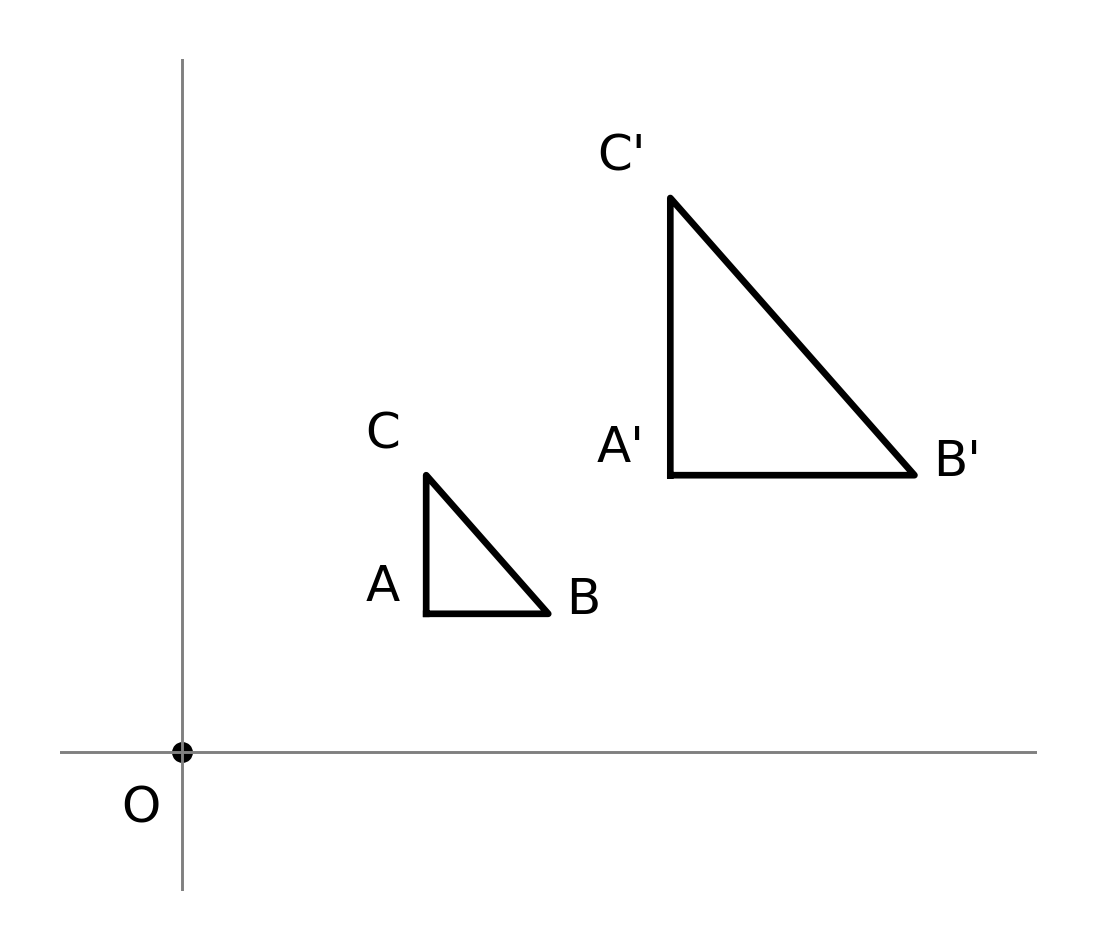
- A. (4, 2)
- B. (1, 0.5)
- C. (2, 2)
- D. (4, 1)
Question 10
- F. 500+0.04t
- G. 500(0.04)^t
- H. 500(1.04)^t
- J. 500(1.4)^t
Question 11
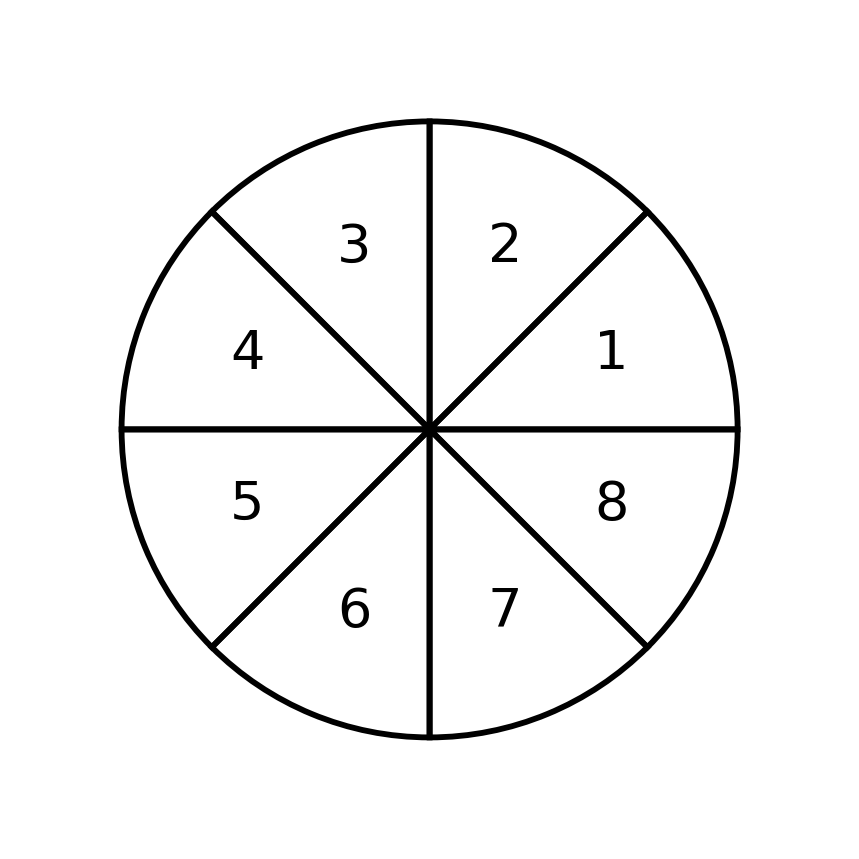
- A. 1/4
- B. 3/8
- C. 5/8
- D. 1/2
Question 12
- F. 7
- G. 4
- H. 10
- J. −10
Question 13
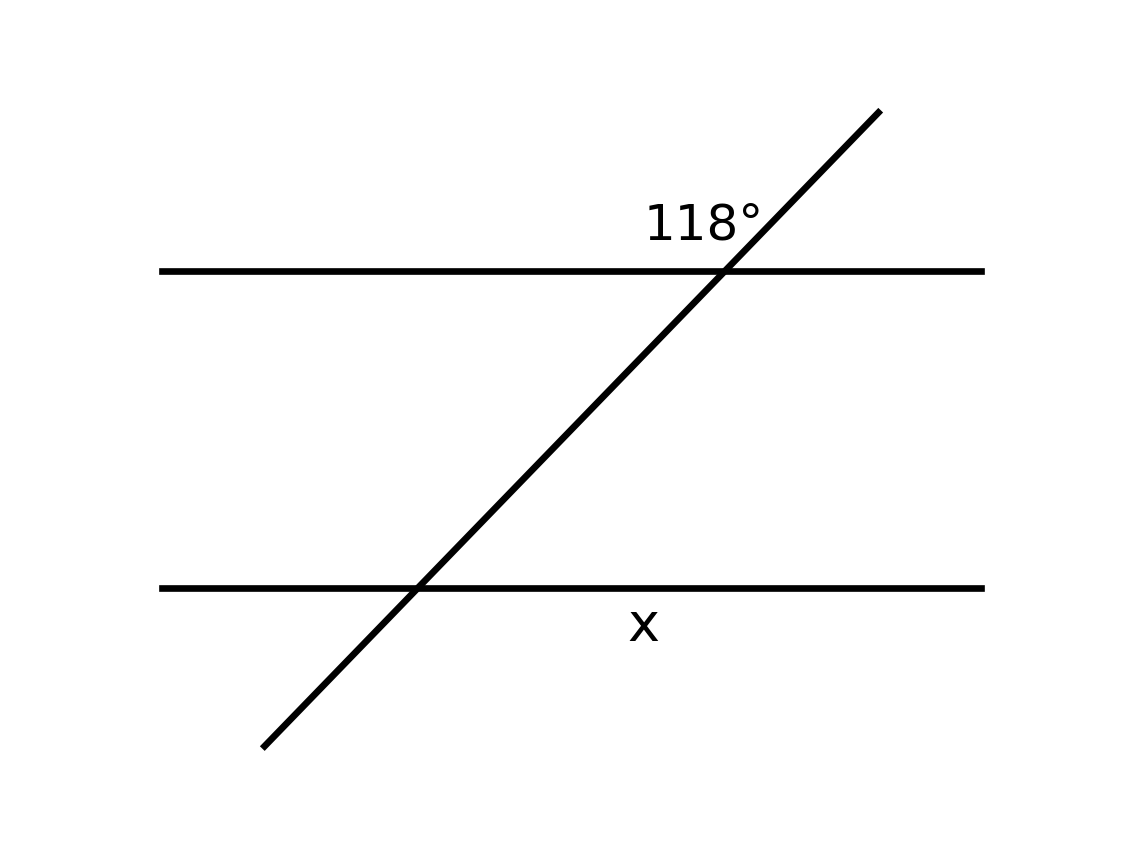
- A. 52
- B. 72
- C. 118
- D. 62
Question 14
- F. 90
- G. 60
- H. 75
- J. 120
Question 15
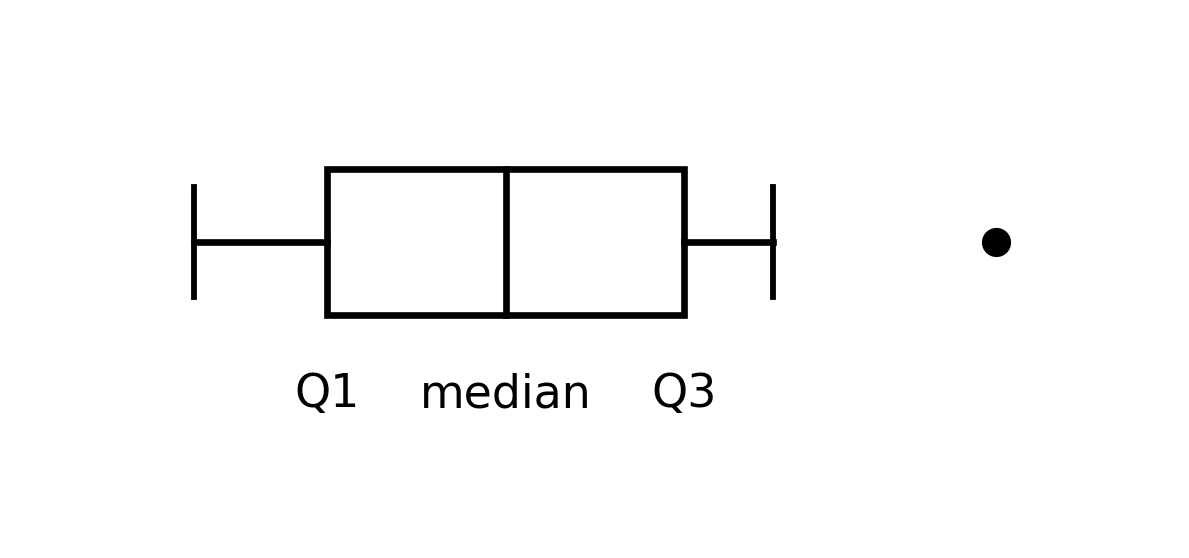
- A. Exactly 25% of data lie below the minimum.
- B. About 50% of data lie between Q1 and Q3.
- C. The mean equals the median.
- D. There are no outliers.
Question 16
- F. 2
- G. 0
- H. 4
- J. 6
Question 17
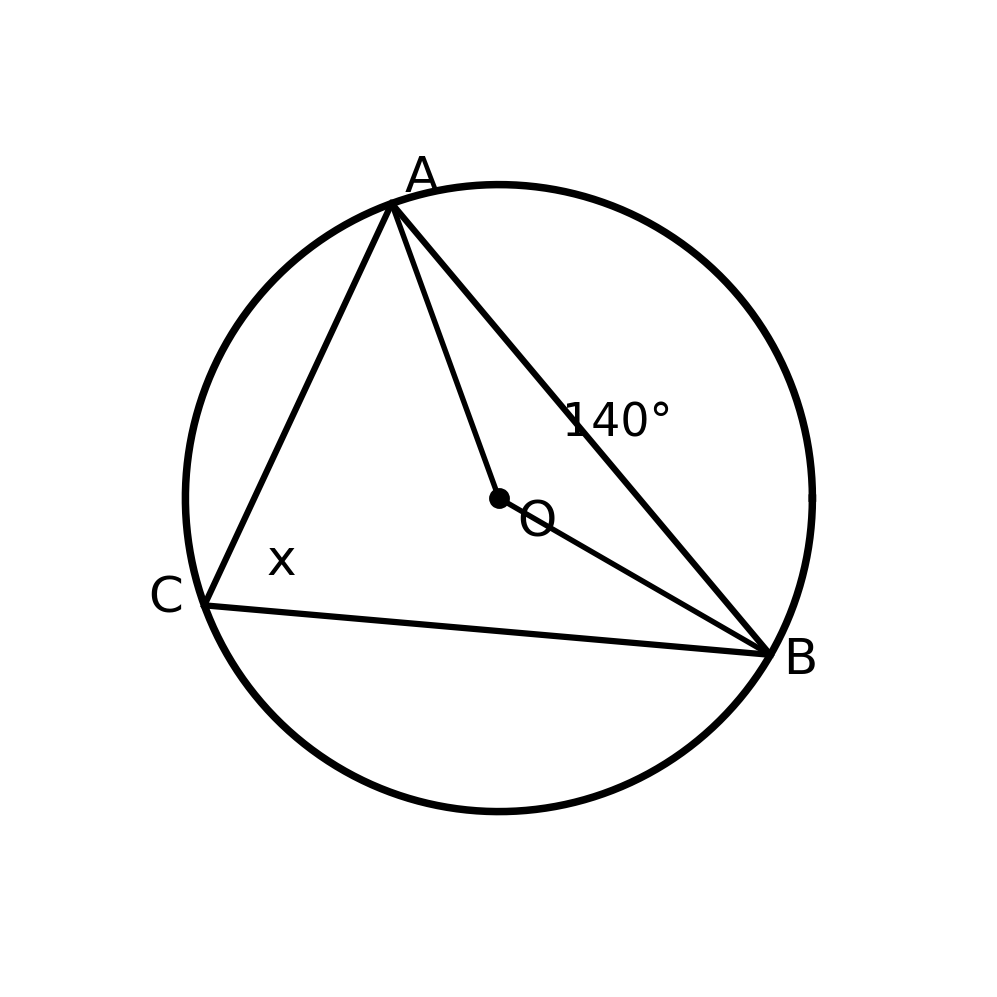
- A. 35
- B. 140
- C. 280
- D. 70
Question 18
- F. $6
- G. $10
- H. $12
- J. $8
Question 19
- A. 3+4=81
- B. 4³=81
- C. 3⁴=81
- D. 81³=4
Question 20
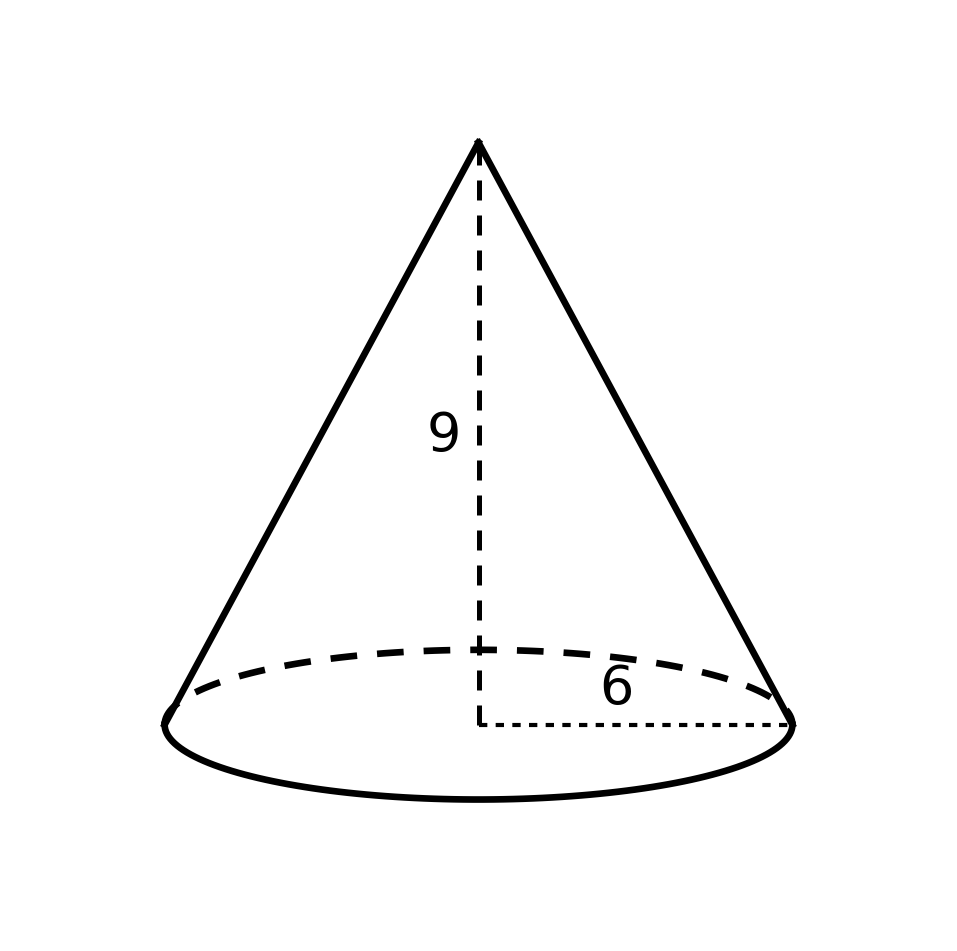
- F. 54π
- G. 108π
- H. 162π
- J. 324π
Question 21
- A. $200
- B. $208
- C. $216
- D. $230
Question 22
- F. k=8 or k=−8
- G. k=4 only
- H. k=−4 only
- J. k=8 only
Question 23
- A. f(x+3)+5
- B. f(x−3)−5
- C. f(x+3)−5
- D. f(x−3)+5
Question 24
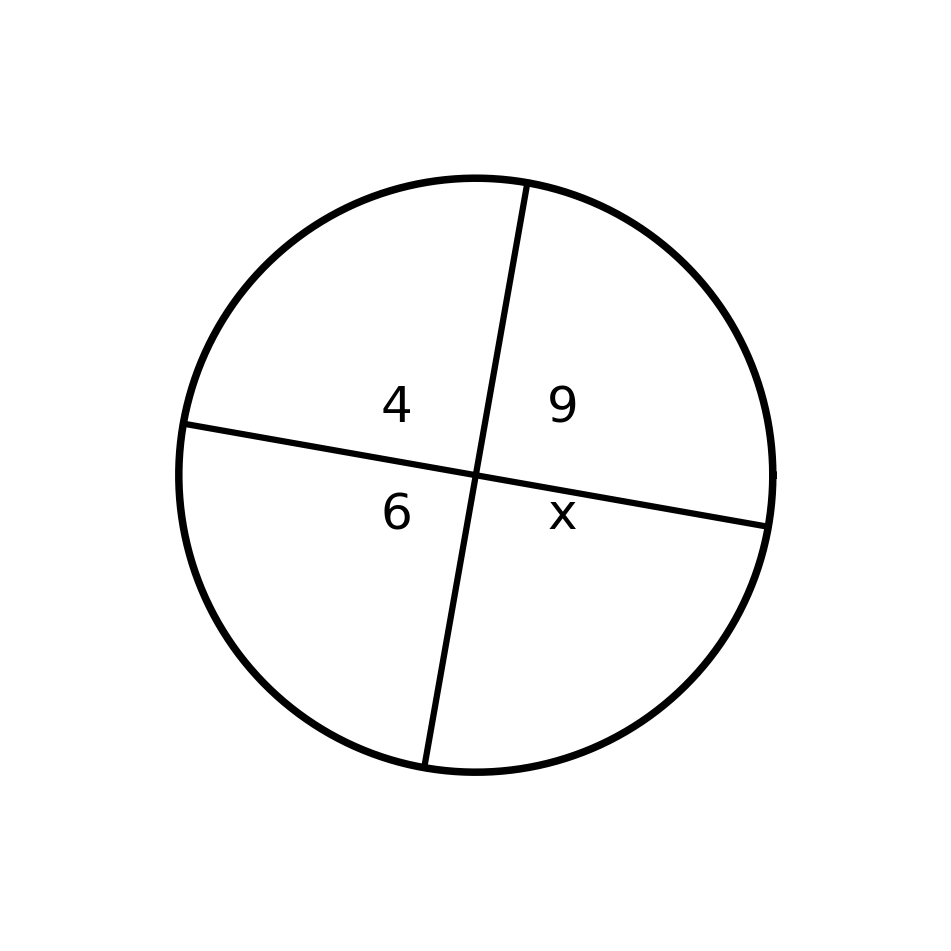
- F. 3
- G. 8
- H. 6
- J. 12
Question 25
- A. 6
- B. 3
- C. 18
- D. 54
Question 26
- F. x⁵/y⁵
- G. x³/y
- H. x⁵y
- J. 1/(x⁵y⁵)
Question 27
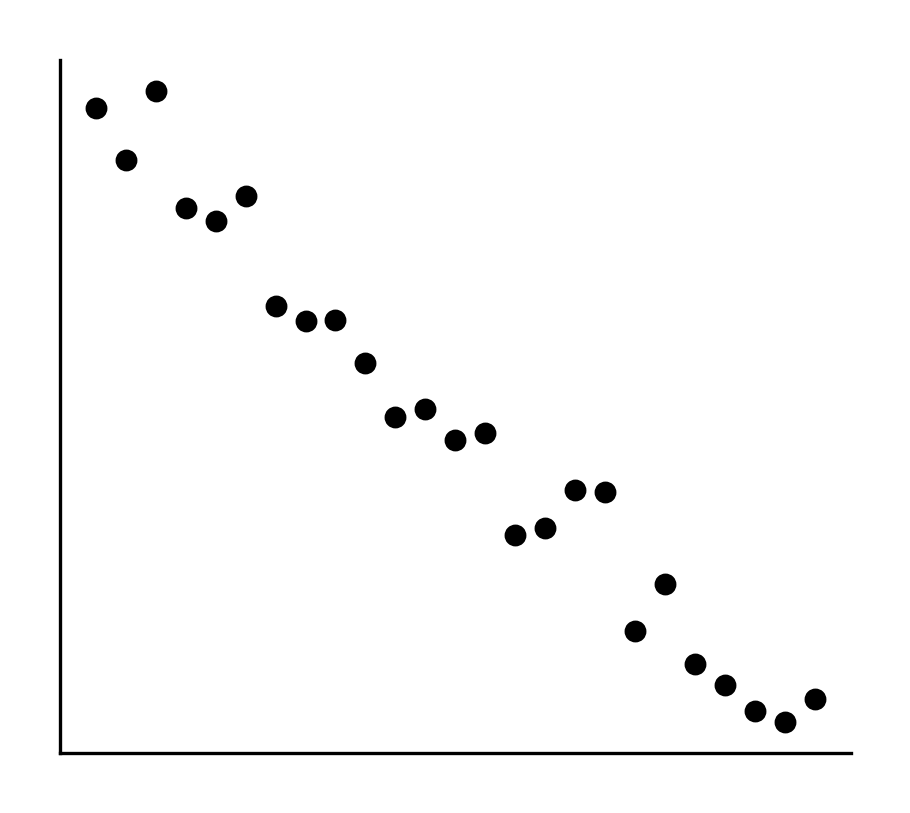
- A. −0.92
- B. −0.15
- C. 0.11
- D. 0.89
Question 28
- F. y=−3(x−2)²−5
- G. y=3(x−2)²−5
- H. y=3(x+2)²−5
- J. y=(x−2)²−5
Question 29
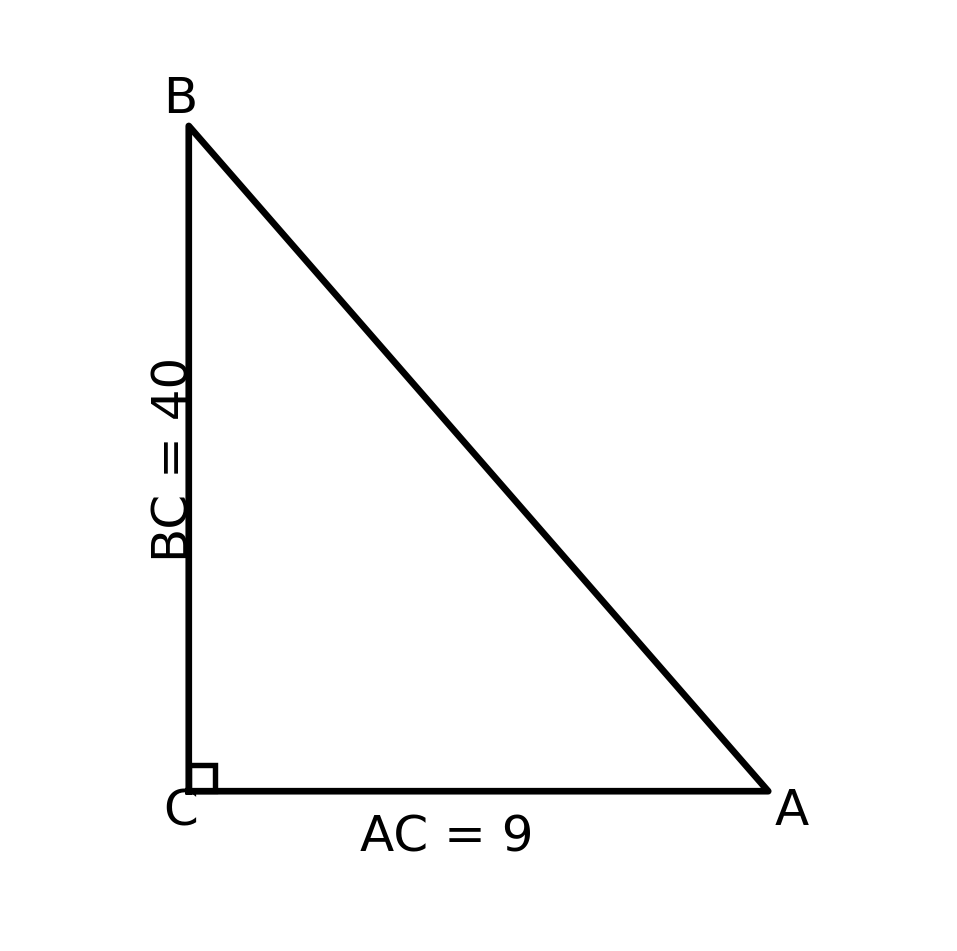
- A. 9/40
- B. 40/41
- C. 9/41
- D. 41/40
Question 30
- F. 42
- G. 60
- H. 120
- J. 168
Question 31
- A. x=−1 only
- B. x=2 only
- C. x=2 or x=−1
- D. no real solution
Question 32
- F. 198
- G. 246
- H. 258
- J. 276
Question 33
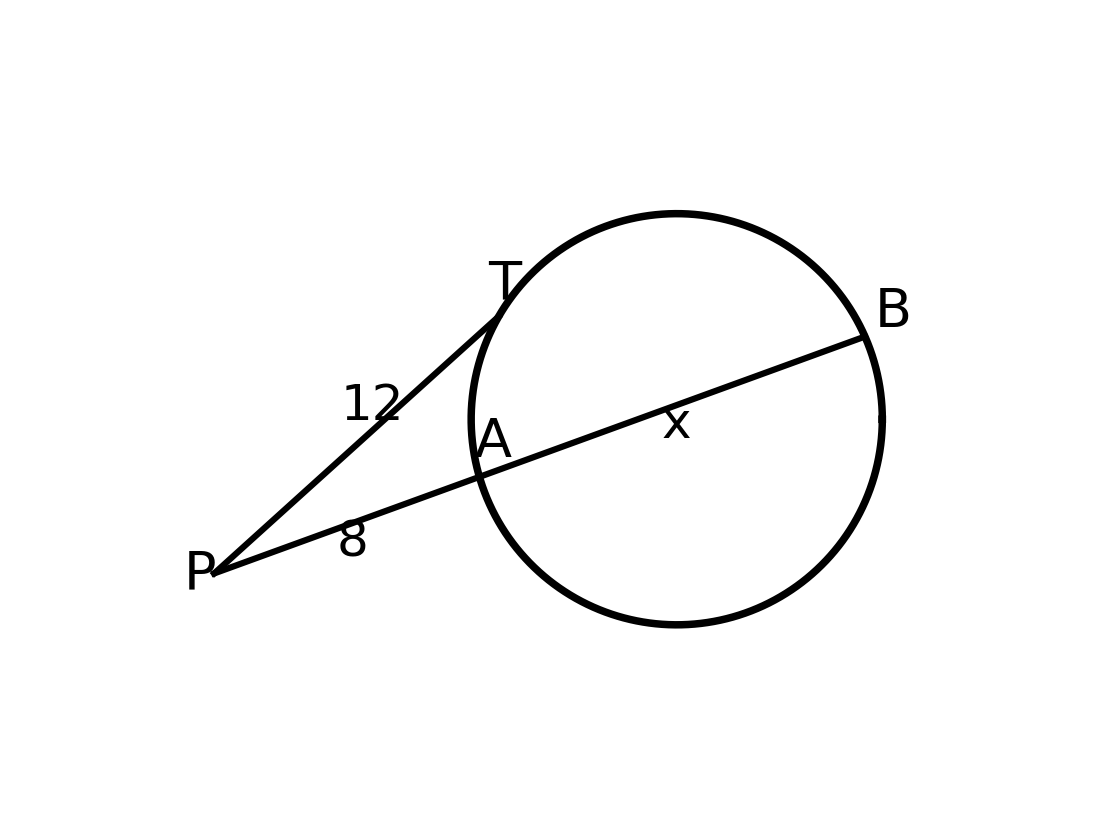
- A. 18
- B. 12
- C. 16
- D. 24
Question 34
- F. 34%
- G. 95%
- H. 68%
- J. 99.7%
Question 35
- A. [[8],[15]]
- B. [[9],[15]]
- C. [[13],[5]]
- D. [[13],[15]]
Question 36
- F. 4
- G. 5
- H. 8
- J. 6
Question 37
- A. −3/2
- B. −2/3
- C. 2/3
- D. 3/2
Question 38
- F. f is constant.
- G. f has no zeros.
- H. f is quadratic.
- J. f is its own inverse.
Question 39
- A. √39
- B. √109
- C. √79
- D. 17
Question 40
- F. A majority definitely supports the proposal.
- G. 50% is outside the reported plausible interval.
- H. The exact population proportion must be 46%.
- J. The margin of error proves the sample had no bias.
Question 41
- A. 0
- B. 2
- C. 4
- D. 3
Question 42
- F. 7
- G. 5
- H. 9
- J. 13
Question 43
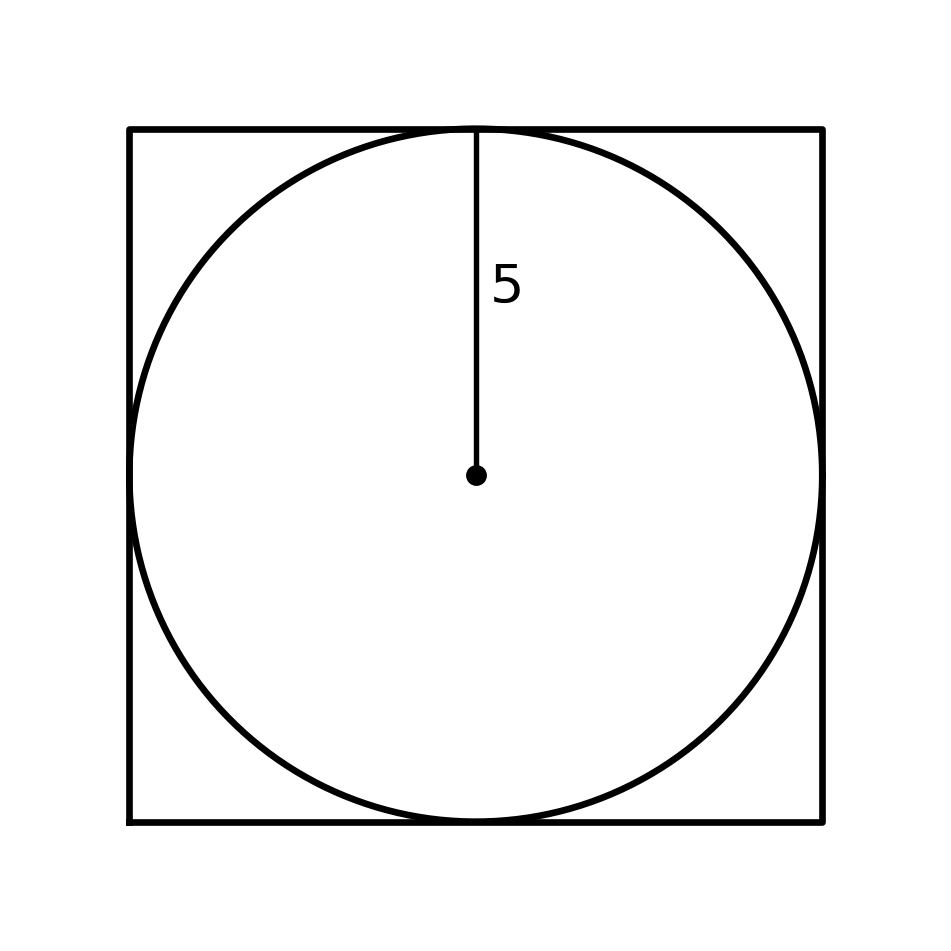
- A. π/5
- B. π/4
- C. 5π/4
- D. 25π/4
Question 44
- F. 225
- G. 240
- H. 300
- J. 270
Question 45
- A. −1
- B. 1
- C. −2
- D. 2
▸ Answers and Explanations
Show the answers and explanations
1: C. 1 kilogram=1,000 grams, so 2.4(1,000)=2,400 grams.
2: J. 5x=32−2=30, so x=6.
3: D. Triangle angles sum to 180°: 180−48−67=65°.
4: H. f(−3)=(−3)²+2(−3)=9−6=3.
5: C. With 8 values, the median is the average of the 4th and 5th values in order: (2+3)/2=2.5.
6: F. Area scales by the square of the linear factor: 2²=4 times as large.
7: A. 72=36·2, so √72=√36·√2=6√2.
8: G. Slope=(17−5)/(8−2)=12/6=2.
9: A. A dilation about the origin multiplies both coordinates by the scale factor: (2,1)→(2×2, 1×2)=(4,2).
10: H. Repeated percent growth uses the form initial×(1+r)^t: 500(1.04)^t.
11: D. The primes among 1–8 are 2, 3, 5, and 7: 4 of the 8 equally likely outcomes, so P=4/8=1/2.
12: G. a=7 and b=−3, so a+b=7+(−3)=4.
13: D. The acute angle supplementary to the given 118° exterior angle is 180−118=62°. Parallel-line angle relationships carry that acute measure to the other intersection.
14: F. Let a=adult tickets and s=student tickets. a+s=150 and 12a+8s=1,560. Substituting s=150−a: 12a+8(150−a)=1,560, so 4a=360, giving a=90.
15: B. The box from Q1 to Q3 always contains the middle 50% of the data, by definition of the quartiles. The other three statements are not guaranteed by a box plot alone.
16: F. Absolute value is minimized when its argument is 0: at x=4, |x−4|=0, so the minimum is p(4)=0+2=2.
17: D. An inscribed angle is half the central angle intercepting the same arc: 140÷2=70°.
18: J. Slope=(29−17)/(14−6)=12/8=1.5 dollars per mile. The fixed fee b satisfies 17=1.5(6)+b=9+b, so b=8.
19: C. A logarithm states the exponent needed to produce the argument: log₃(81)=4 means 3⁴=81.
20: G. V=(1/3)πr²h=(1/3)π(6)²(9)=(1/3)π(36)(9)=108π.
21: C. After the discount: 250(0.80)=200. After the tax: 200(1.08)=216.
22: F. Exactly one real solution means the discriminant is 0: k²−64=0, so k²=64, giving k=±8.
23: B. Translating right 3 replaces x with x−3; translating down 5 subtracts 5 from the whole function: f(x−3)−5.
24: H. By the intersecting chords relationship, the products of the segments are equal: 4(9)=6x, so 36=6x, giving x=6.
25: A. Inverse proportion means xy=k is constant: k=18(4)=72. When x=12, y=72/12=6.
26: F. Subtract exponents for the same base: x^(4−(−1))=x⁵ in the numerator, and y^(−2−3)=y⁻⁵=1/y⁵.
27: A. A strong negative linear association corresponds to a correlation coefficient close to −1, making −0.92 the most plausible choice.
28: G. Vertex form is y=a(x−2)²−5. Substituting the point (3,−2): −2=a(1)²−5, so a=3.
29: B. The hypotenuse is AB=√(9²+40²)=√1,681=41. Relative to angle A, the opposite side is BC=40, so sin A=40/41.
30: F. 480(0.35)=168 students take a language course. Of those, 168(0.25)=42 take French.
31: B. Squaring both sides: x+2=x², so x²−x−2=0, giving (x−2)(x+1)=0 and candidates x=2 or x=−1. Checking the original equation: √4=2 works, while √1=1 does not equal −1. Only x=2 is valid.
32: H. a₁₂=5+11(3)=5+33=38. Sum=12(5+38)/2=6(43)=258.
33: A. By the power-of-a-point relationship, tangent²=(external part)(whole length): 12²=8L, so 144=8L, giving L=18.
34: H. 88 and 112 are exactly one standard deviation below and above the mean of 100. By the empirical rule, about 68% of values fall within 1 standard deviation.
35: D. Multiply row by column: first row gives 2(4)+1(5)=13; second row gives 0(4)+3(5)=15. So AB=[[13],[15]].
36: J. V=lwh, so 360=12(5)h=60h, giving h=6.
37: B. Rewriting 3x−2y=8 in slope-intercept form: −2y=−3x+8, so y=(3/2)x−4, with slope 3/2. A perpendicular line has slope equal to the negative reciprocal: −2/3.
38: J. If applying f twice always returns the original input x, then f undoes itself, meaning f is its own inverse.
39: C. By the Law of Cosines: c²=7²+10²−2(7)(10)cos(60°)=49+100−70=79, so c=√79.
40: G. The plausible interval is 46%±3%, or 43% to 49%. Since 50% falls outside that interval, it is not consistent with the reported margin of error. The interval does not prove the exact population value or rule out bias by itself.
41: C. Let u=x²: u²−5u+4=(u−1)(u−4)=0, so u=1 or u=4, giving x²=1 or x²=4, and x=±1 or x=±2: four real zeros.
42: G. At x=3, the condition x≥3 applies, so use the second piece: p(3)=3²−4=9−4=5.
43: B. The square's side equals the circle's diameter: 2(5)=10. Square area=100; circle area=π(5)²=25π. The fraction is 25π/100=π/4.
44: J. The original rate is 120/8=15 parts per minute. The new rate is 15(1.20)=18 parts per minute. In 15 minutes: 18(15)=270 parts.
45: B. Substituting y=x−1 into the circle's equation: x²+(x−1)²=13, giving 2x²−2x−12=0, or x²−x−6=0. By Vieta's formulas, the sum of the roots is −(coefficient of x)=1, which is faster than solving for both roots individually.